
How Do Manufacturers Calculate the ROI of Investing in High-Efficiency EVA Injection Machines?
October 31, 2026
Manufacturers calculate the return on investment for high-efficiency ethylene-vinyl acetate injection machines by balancing initial capital expenditure against long-term operational savings, material efficiency, and labor reduction. Plant directors evaluate payback periods to justify equipment upgrades. Footwear factories face rising material costs and tight profit margins. Modern facilities demand accurate financial models before approving machinery purchases. Financial planners analyze capital outlays alongside production throughput gains. Operations teams track cycle times and scrap rates closely. This comprehensive guide details the exact financial framework required to assess profitability. Leadership teams gain clear insights into capital allocation strategies for modern shoe manufacturing plants.
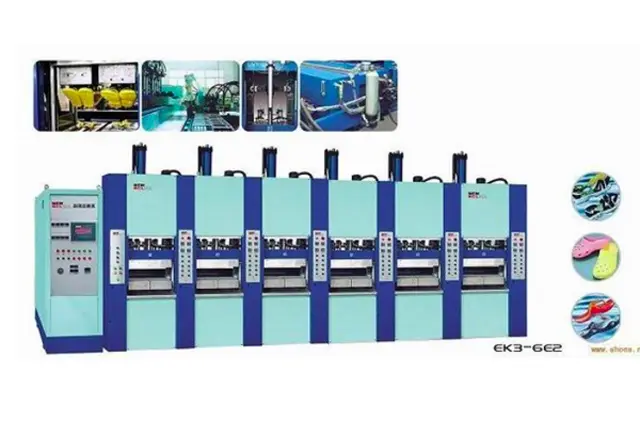
Breaking Down Initial Capital Expenditure (CapEx)
Initial capital expenditure forms the foundation of any equipment acquisition model. Factory managers must look beyond the basic purchase price of the injection molding machine. Total upfront costs include shipping fees, customs duties, factory floor preparation, and electrical infrastructure upgrades. Plant engineers must also factor in auxiliary equipment such as chillers, material dryers, and automation loaders. Tooling expenses represent another major component of upfront spending. Purchasing high-precision molds requires significant capital allocation. For instance, investing in a specialized eva injection slipper mould ensures dimensional stability and reduces post-processing trimming labor. Financial controllers sum these initial investments to establish the baseline baseline cost for the ROI formula. Maintenance training costs and initial spare parts inventory also belong in this initial budget phase. Transparent cost accounting prevents unexpected budget overruns during plant commissioning.
Evaluating Direct Operational Cost Reductions
Operational expenses dictate the ongoing profitability of an industrial footwear production line. High-efficiency injection machinery reduces electrical power consumption through advanced servo-hydraulic drives and frequency converters. Traditional hydraulic systems waste energy by running pumps continuously at full capacity. Modern servo-driven systems adjust motor speeds according to real-time hydraulic demand. This technological shift cuts electricity consumption by significant margins over annual operating cycles. Maintenance expenses also decrease when factories adopt modern machinery. Older machines require frequent hydraulic seal replacements and electrical troubleshooting. Newer equipment features modular designs with digital diagnostics that minimize unplanned downtime. Plant managers calculate these savings by comparing historical utility bills and maintenance logs against projected machine specifications. Reduced lubricant usage and longer component lifespans further improve the net operating income.
Material Yield and Waste Minimization in Footwear Production
Raw materials represent the largest recurring cost in footwear manufacturing plants. Ethylene-vinyl acetate compound pricing fluctuates based on global petrochemical markets. High-efficiency injection machines optimize shot weight accuracy and cavity pressure control. Precise injection control minimizes flash formation around the parting lines of the mold. Lower flash volume directly reduces the amount of trimmings that require recycling or disposal. Scrap reduction translates into immediate financial gains on every shift. Factory accountants calculate material savings by tracking virgin compound consumption per thousand molded pairs. Optimizing runner systems and nozzle shut-off valves prevents material degradation inside the barrel. Consistent thermal regulation ensures uniform density across every molded component. These material efficiencies compound over millions of production cycles to shorten the payback timeline.
Real-World Financial Analysis and Case Study Example
Evaluating numbers through a practical case study clarifies the theoretical ROI framework. Consider a mid-sized footwear facility producing ten thousand pairs of slides daily. The factory currently operates older single-station presses requiring high manual labor. Management considers upgrading to an automated, high-output production line. The following comparison table outlines the financial metrics before and after the equipment upgrade.
| Financial Metric | Legacy Equipment | High-Efficiency Machinery |
| Daily Output (Pairs) | 8,000 | 12,000 |
| Energy Consumption / kWh | 145 kW | 90 kW |
| Material Scrap Rate | 6.5% | 1.8% |
| Direct Operating Labor | 14 Operators | 6 Operators |
| Annual Maintenance Cost | $45,000 | $12,000 |
Plant analysts apply these operational metrics to calculate net annual savings. Reduced labor hours save substantial payroll expenses each year. Lower electricity tariffs combined with decreased kilowatt usage yield immediate utility savings. Decreased scrap generation saves thousands of kilograms of virgin compound annually. Subtracting the annual operational expenses of the new machinery from legacy operating costs reveals the net annual cash flow improvement. Dividing the total initial capital expenditure by this net annual cash flow yields the precise payback period in months. Most high-efficiency lines achieve full payback within two to three years of continuous operation.
Scaling Production with Multi-Station Technology
Production scaling plays a vital role in accelerating equipment return on investment. High-efficiency systems often incorporate multi-station rotary layouts that eliminate idle cooling time. While one station undergoes injection, other stations handle cooling, demolding, and manual or robotic insert placement. Integrating an advanced 8 station eva slipper machine allows continuous operation without bottlenecks. Operators can load inserts or remove finished products while the injection unit remains active. Furthermore, multi-color capabilities enable factories to diversify product offerings without purchasing entirely separate manufacturing lines. Utilizing a specialized two color eva slipper foaming machine lets manufacturers capture higher-margin market segments through dual-density footwear designs. Diversified product capabilities increase average selling prices and improve overall facility profitability.
Ready to upgrade your factory floor and calculate a customized ROI projection for your footwear production line? Contact Bayeux team today to speak with our engineering specialists.
Frequently Asked Questions
What factors influence the payback period of an injection machine? The payback period depends on initial capital outlay, local electricity rates, raw material costs, daily production volume, and labor wage rates. Higher production utilization rates shorten the payback duration significantly.
How do servo motors reduce manufacturing costs? Servo motors consume electrical power only when the machine requires motion or pressure. They eliminate the constant energy drain associated with traditional fixed-displacement hydraulic pumps during cooling phases.
What is the typical lifespan of industrial footwear injection machinery? Well-maintained industrial injection machinery operates reliably for fifteen to twenty years. Regular preventive maintenance and timely replacement of wear items ensure consistent output throughout this operational lifecycle.
How does material scrap impact overall factory profitability? Excessive scrap increases raw material consumption and generates disposal or reprocessing labor costs. Minimizing flash and runner waste directly preserves profit margins on every manufactured batch.
About Bayeux
Bayeux Industrial designs and integrates automated production systems for hygiene products and footwear manufacturing. We provide factory-ready machinery solutions combining precision equipment, production material compatibility, and engineering support for continuous industrial operations. Our technical teams work closely with global factory directors to deliver customized manufacturing lines tailored to specific output requirements and facility constraints.
References
- International Organization for Standardization. Industrial machines – Safety requirements for injection molding machines. ISO 20430:2020. https://www.iso.org/standard/71788.html
- Society of Plastics Engineers. Injection Molding Processing Guidelines and Energy Efficiency Metrics. SPE Technical Journal. https://www.4spe.org/
- World Footwear. Global Footwear Manufacturing Technology Trends and Machinery Investment Reports. https://www.worldfootwear.com/


